.jpg)
Why It’s Important to Take Care of Your Heels in Autumn
In autumn, heels often start to look worse than in summer, even though it may seem that the opposite should be true: less dust and less open footwear. In reality, autumn is the moment when the skin of the feet sharply loses moisture after summer stress. During summer, heels are constantly “working” in open shoes: friction, dust, sand, sun exposure, and temperature changes. As a result, the skin thickens and becomes rough as a protective response. In autumn, another factor is added — closed shoes and dry indoor air, which cause the feet to dry out even faster. This leads to rough skin, tightness, microcracks, and discomfort while walking.
Why It’s Important to Take Care of Your Heels in Autumn
If heels are neglected in autumn, the problem almost always becomes worse in winter. During the cold season, the skin becomes less elastic, while the load on the feet remains the same. Cracks deepen, painful splits appear, burning sensations and inflammation may occur. Very often, people start using pumice stones, aggressive scrubs, or even blades at this stage. This gives only a temporary effect, after which the skin “defends itself” by thickening even more. Most importantly, micro-injuries significantly increase the risk of inflammation, especially for sensitive or dry skin.
It is important to understand that heels do not crack “just because it’s cold”. The cause is usually complex: dehydration of the skin, improper home care, excessive cutting of rough areas, tight footwear, prolonged standing, active walking, and increased pressure on the feet. Habits also play a role: hot baths, frequent use of soaps and antiseptics, lack of moisturizing cream, and unsuitable footwear. Even if everything seems fine, in autumn the skin is often already close to damage — cracks just haven’t become deep yet. That’s why autumn is the best time for prevention.
The basic rule for home care in autumn is that consistency matters more than intensity. There is no need to rub heels aggressively once every two weeks. It is much better to choose gentle care 2–4 times a week with daily moisturizing. Foot creams containing urea can be helpful, but without excess — the concentration should match skin sensitivity. After showering, feet should be gently patted dry with a towel, not rubbed. Then apply cream and allow it to absorb. If dryness or tightness is present, a thicker layer of cream can be applied at night with cotton socks. This simple routine significantly reduces the risk of cracks in winter.
What should be avoided: cutting the skin with blades, using very rough pumice stones, filing heels “to perfection”, or applying acid peels without understanding exposure time and skin reaction. Any aggressive action on rough skin often leads to the opposite result: faster thickening and wider cracks. It is also dangerous to press on cracks or try to cut their edges at home. If a crack is already painful or bleeding, home care should be extremely gentle and cautious. In such cases, professional treatment is the safest option to remove excess roughness evenly and safely.
The most effective solution in autumn is hardware pedicure, because it addresses the root cause. Hardware pedicure removes excessive rough skin in a controlled and gentle way. The procedure is performed without soaking and without blades. A specialist uses professional equipment and attachments to softly polish rough areas, even out the surface of the feet, and reduce pressure on the skin. This helps the skin retain moisture better and significantly reduces cracking in winter. Most importantly, the process is safe and non-traumatic.
Hardware pedicure in autumn is especially beneficial for those who walk a lot, stand for long periods, wear tight footwear, travel frequently, or already notice dryness and calluses. White lines, tightness, and rough texture are clear signals that foot care should not be postponed. Many people think, “I’ll deal with it when it gets bad”. However, autumn allows you to restore the skin calmly and maintain results with regular care, instead of treating painful cracks during winter.
How often care is needed: usually one procedure every 3–5 weeks is sufficient, but the exact schedule depends on skin condition and daily load. After the first treatment, a specialist can recommend home care to prolong results. This is important — even the best hardware pedicure does not replace basic moisturizing at home. The right combination of professional treatment and simple daily care provides stable results. As a result, feet remain well-groomed throughout winter without unpleasant surprises.
At Botanica Beauty, hardware pedicure is performed by a certified specialist. We work carefully, without aggressive cutting or skin damage. We use modern equipment and professional products, selecting care individually based on foot condition. If the goal is to prepare heels for winter, reduce roughness, and minimize the risk of cracks, autumn is the best time to do it — before the problem becomes painful. At our salon, you can receive the procedure comfortably, safely, and with clear home care recommendations.
.jpg)
Hardware Pedicure or Classic: What Is the Difference
The difference between hardware and classic pedicure is important not only for the appearance of the feet, but also for the health of the skin and nails. The chosen technique affects how quickly the skin becomes rough, whether cracks appear, and whether pain occurs after the procedure. Classic pedicure is familiar to many people, but today the hardware method is considered safer and gentler. Below we explain in detail what the difference is between these types of pedicure and why more and more clients choose hardware care.
Hardware Pedicure or Classic: What Is the Difference and Which Is Safer
When choosing a pedicure, most people rely on habit, recommendations from friends, or the price of the procedure. At the same time, they rarely think about how exactly the skin and nails are treated. However, the technique used during a pedicure plays a key role in foot health.
Classic pedicure is performed with skin soaking. After that, the technician uses cutting tools — blades, nippers, or scissors. Rough skin is cut off, and the cuticle is removed mechanically. Visually, the feet look smooth immediately after the procedure, but this effect is often short-lived.
Cutting the skin disrupts its natural protective barrier. The body perceives this as trauma and begins actively building a new horny layer. As a result, the skin becomes denser, drier, and roughens faster. Over time, this leads to cracks, soreness, and discomfort while walking.
Classic pedicure is especially risky when cracks, pain, inflammation, or ingrown nails are present. Even micro-cuts increase the risk of infection. Soaking makes the skin more vulnerable, and any incorrect movement can worsen an existing problem.
Hardware pedicure is based on a completely different principle. The procedure is performed without soaking and without cutting tools. The skin and nails are treated using a special device with professional attachments of different abrasiveness.
The device removes only the keratinized layer of skin without affecting living tissue. This helps avoid cuts, microcracks, and painful sensations. After the procedure, the skin remains elastic rather than overdried, which significantly reduces the risk of rapid roughening.
Hardware pedicure is especially recommended for people with sensitive foot skin, dry heels, a tendency to cracking, and problematic nails. It is also suitable for increased load on the legs and during the cold season, when the skin suffers from dry air and closed footwear.
It is important to understand that when there is pain in the feet, pedicure is no longer just an aesthetic procedure. Any aggressive impact can intensify inflammation and lead to complications. That is why, in cases of pain, the most gentle care method should be chosen.
Hardware pedicure allows precise, careful, and safe work. It does not provoke accelerated growth of rough skin and provides a longer-lasting result. After the procedure, the feet look well-groomed while maintaining their natural protective function.
Advantages of hardware pedicure:
— no cuts or skin injuries — minimal risk of inflammation and infection — suitable for cracks and sensitive skin — safe for problematic and ingrown nails — skin grows back more slowly and evenly — no soaking is used — comfortable, pain-free procedure
At Botanica Beauty, hardware pedicure is performed by certified specialists. We use modern professional equipment, disposable materials, and an individual approach for each client.
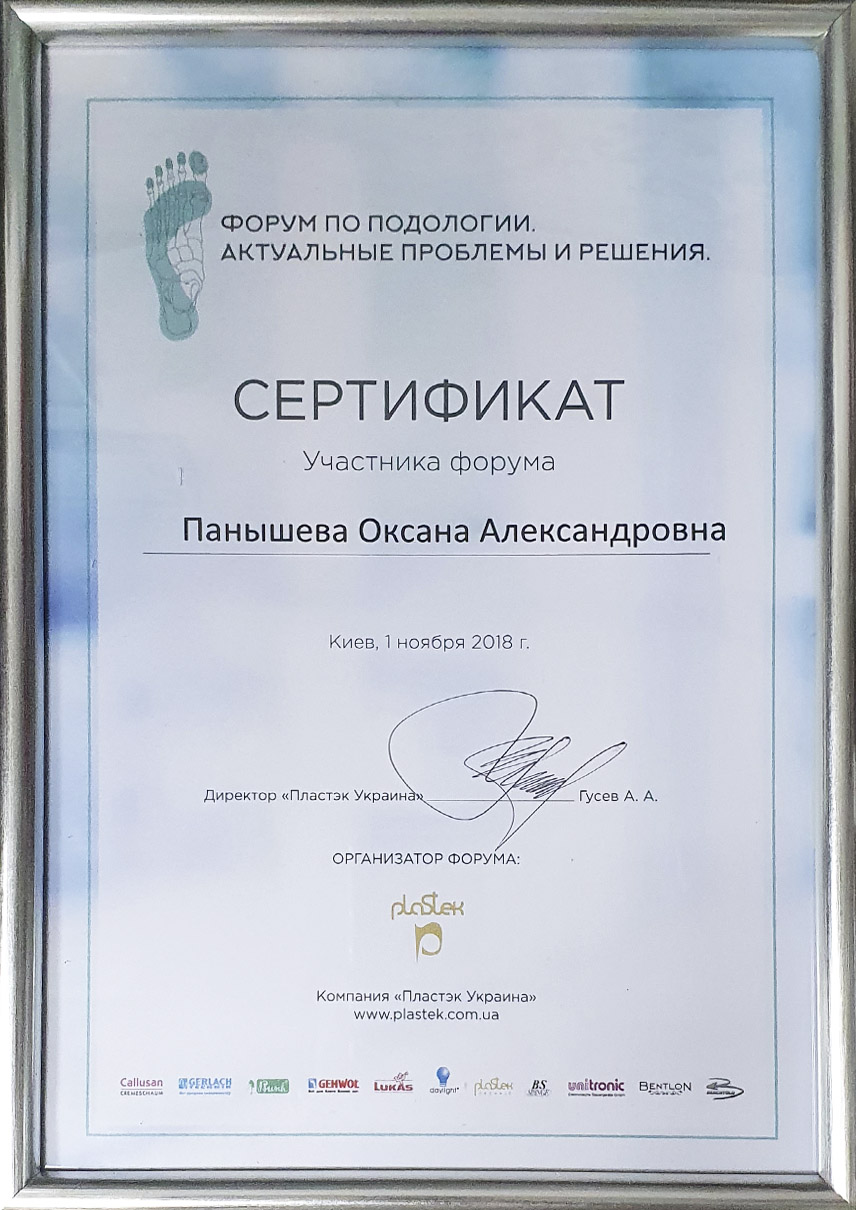
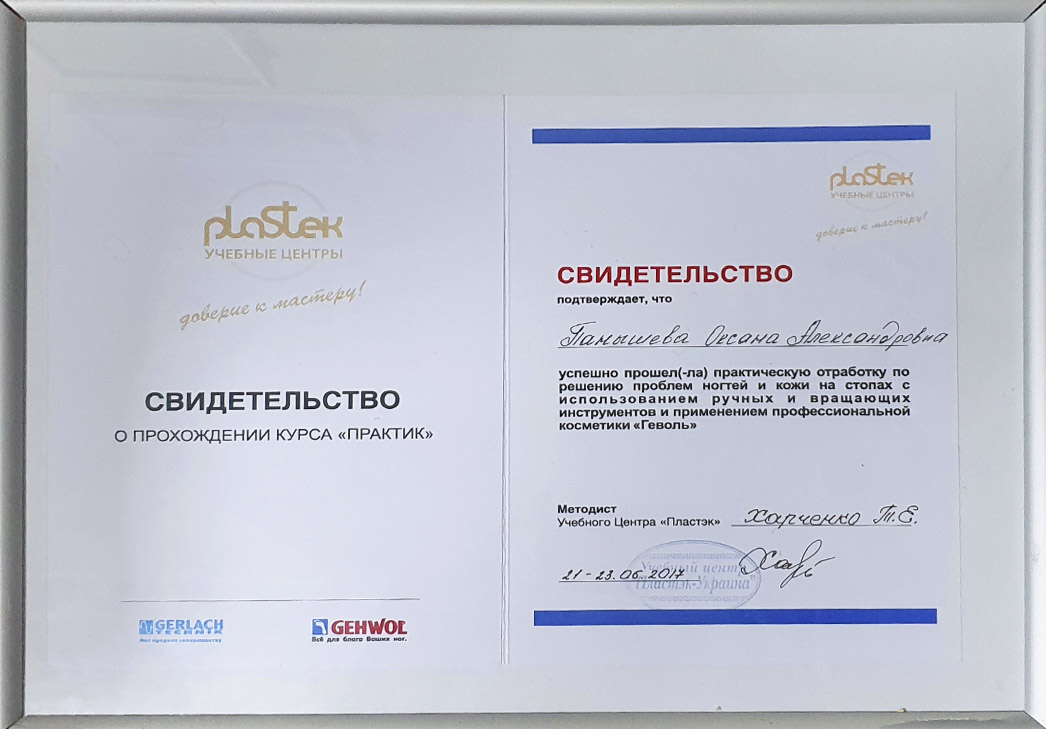
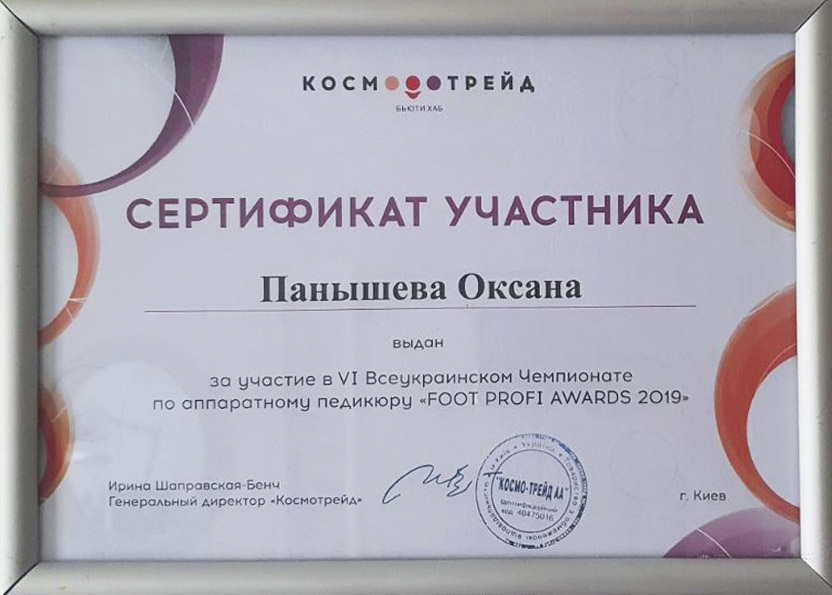
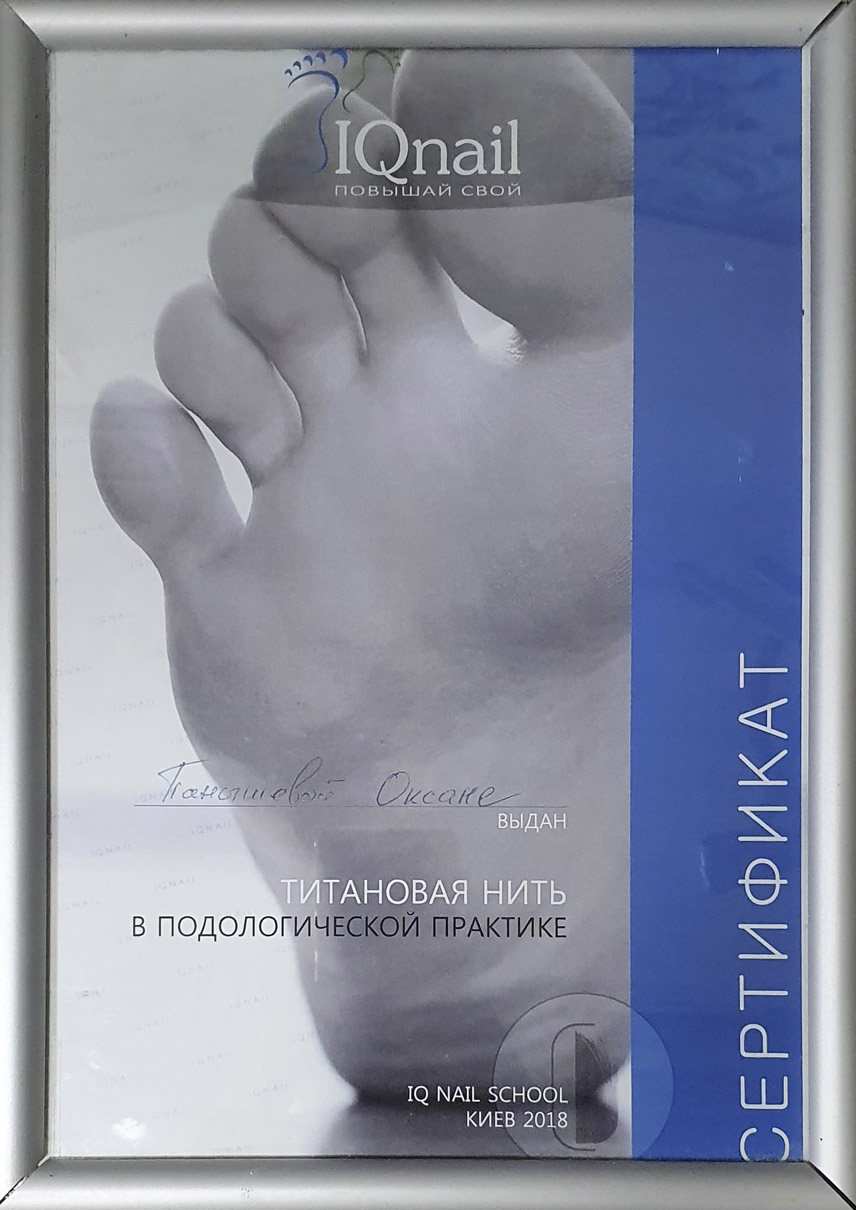
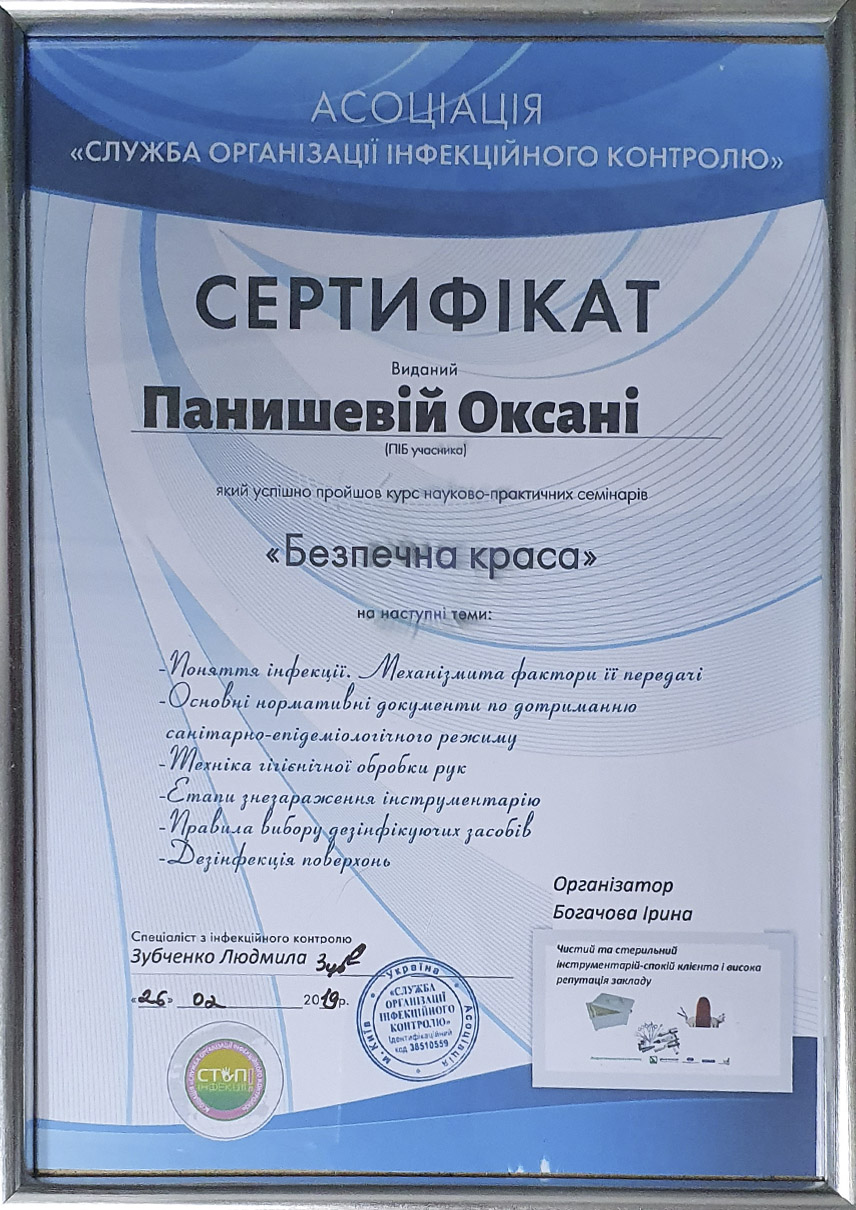
Certificate of Completion of Practical Training in Podology Hardware Pedicure Certificate (2019) Titanium Thread in Podology Practice Certificate Safe Beauty Certificate (Hygiene and Sanitation Compliance) Gel System Certificate Gel Polish System CertificateBefore the procedure, the specialist assesses the condition of the skin and nails, selects the optimal treatment technique, and provides care recommendations. This allows not only an aesthetic result, but also long-term foot health.
If you are unsure which type of pedicure to choose, or have already experienced pain or discomfort after procedures, hardware pedicure at Botanica Beauty is a safe, professional, and well-considered solution for the health and comfort of your feet.
.jpg)
What Is a Hardware Pedicure
A hardware pedicure is a modern and safe foot care procedure performed without blades or skin soaking. It is ideal for sensitive skin, dry heels, calluses, and corns. The treatment is carried out using a professional device with special attachments that gently remove hardened skin without damaging healthy tissue or causing pain. Compared to a classic pedicure, the hardware method is considered more gentle and safe. It is suitable both for regular maintenance and for preventing foot problems. The results last longer, and the skin remains soft and elastic after the procedure.
What Is a Hardware Pedicure
A hardware pedicure is a professional foot care procedure performed using specialized equipment, without cutting tools and without предварительного soaking of the skin. Unlike a classic pedicure, where the skin is cut, the hardware method works only with the hardened layer and does not damage living tissue.
During the procedure, the specialist uses a professional device with various bits and attachments. Each attachment is selected individually depending on the condition of the skin, the presence of calluses, corns, cracks, and overall skin sensitivity. This allows precise and careful treatment of problem areas without discomfort or pain.
One of the key advantages of a hardware pedicure is its safety. The absence of blades and soaking significantly reduces the risk of cuts, microcracks, inflammation, and infection. That is why a hardware pedicure is recommended for people with sensitive skin and for those who have experienced pain or complications after classic procedures.
A hardware pedicure is especially effective for dry foot skin, painful heels, a tendency to cracks and thickened skin. The procedure is also suitable for people who spend a lot of time on their feet, wear closed or uncomfortable shoes, and during the fall and winter seasons, when the skin suffers from dry air and temperature changes.
Unlike cutting pedicure techniques, the hardware method does not stimulate accelerated regrowth of hardened skin. After the procedure, the skin grows back more slowly and evenly, helping to maintain well-groomed feet for a longer period of time. This makes a hardware pedicure an excellent choice for regular care.
Comfort is another important advantage of a hardware pedicure. The procedure is painless, does not cause unpleasant sensations, and does not require recovery time. You can return to your normal daily routine immediately after the treatment without discomfort while walking.
It is important to understand that improper self-care or aggressive use of pumice stones and cutting tools often makes foot problems worse. Incorrect skin treatment leads to thickening, microcracks, and pain. Professional hardware pedicure helps avoid these consequences.
At Botanica Beauty, hardware pedicure procedures are performed by certified specialists with professional training and experience. We use modern equipment, sterile and disposable tools, and high-quality professional care products.
Before the procedure, the specialist evaluates the condition of the skin and nails, selects the optimal treatment technique, and provides recommendations for further home care. An individual approach allows not only aesthetic improvement but also long-term foot health.
If you are looking for a hardware pedicure in Kyiv and want to get rid of dryness, calluses, and discomfort while walking, at Botanica Beauty you can book a procedure and see noticeable results after your first visit.
.jfif)
Why You Should Not Get a Pedicure When You Have Pain
Pain in the feet or nails is not a cosmetic issue or a temporary discomfort. It is a clear signal from the body that something is wrong. Many people continue getting regular pedicures despite pain, inflammation, or unpleasant sensations, assuming it is insignificant. This approach can worsen the condition, lead to infection, and cause complications. In this article, we explain why getting a pedicure while experiencing pain is dangerous, how it can make things worse, and when professional podiatric care is required.
Why You Should Not Get a Pedicure When You Have Pain
Pain in the feet, toes, or nails is always a sign of a problem. A healthy foot should not hurt at rest, while walking, or during care procedures. Pain, burning, throbbing, or pressure sensations indicate an underlying condition that requires professional attention. Ignoring pain or trying to mask it with a cosmetic procedure often leads to worsening symptoms.
There are many possible causes of foot pain. The most common include ingrown toenails, inflammation of the nail folds, cracked skin, hyperkeratosis, fungal infections, foot overload, nail plate deformation, or previous micro-injuries. Each of these conditions requires a careful and appropriate approach, not a standard “routine” pedicure.
A classic pedicure involves soaking the skin and using cutting tools. Thickened skin and cuticles are trimmed, which gives an immediate visual result, but significantly increases the risk of injury when pain is present. Even a minor cut or microcrack can become an entry point for infection and intensify inflammation.
When pain is present, foot tissues are already under stress. The skin becomes more fragile, nerve endings are more sensitive, and blood circulation may be impaired. Any aggressive impact in this condition increases pain, swelling, redness, and slows down healing. That is why getting a pedicure without proper assessment can be dangerous.
It is especially important to avoid pedicure procedures if you experience: persistent or increasing pain, throbbing, redness, swelling, discharge, pain when walking or pressing, or changes in nail or skin color. In such cases, a cosmetic procedure does not solve the problem and often makes it worse.
When pain is present, a podiatric approach is required. A podiatrist focuses on the condition of the skin and nails, not just appearance. The specialist identifies the cause of pain, evaluates inflammation, and selects a safe treatment method that promotes recovery without damaging tissues.
In most painful cases, an аппарат-based (hardware) technique is used. Hardware pedicure is performed without soaking and without cutting tools. Special professional bits allow precise treatment of problem areas without affecting healthy skin. This significantly reduces the risk of injury, infection, and recurring inflammation.
Self-treatment attempts are one of the most common mistakes. Cutting the nail, using pumice stones, blades, aggressive acids, or pharmacy products often leads to complications. Ingrown nails may worsen, cracks can deepen, and inflammation may become chronic. As a result, the condition becomes more painful and harder to treat.
Foot pain is not something to tolerate or experiment with. The earlier you consult a specialist, the faster and safer the problem can be resolved. Professional care helps not only relieve discomfort, but also prevents pain from recurring.
At Botanica Beauty, procedures for painful conditions are performed by a certified specialist following professional and medical standards. We use hardware techniques without blades, sterile instruments, disposable materials, and an individualized approach.
Before the procedure, the condition of the feet is assessed, the cause of pain is identified, and a safe treatment plan is selected. If needed, a podiatry consultation and further care plan are provided. Our goal is not to mask the problem, but to restore foot health.
If you experience pain in your feet or nails, do not postpone your visit. Timely professional care helps avoid complications, shorten recovery time, and restore comfort while walking. Professional care at Botanica Beauty means safety, care, and confidence in the result.
.jpg)
Why Heels Crack in Winter
December is the most challenging period for the skin of the feet. In winter, heels are under constant stress: cold outdoor air, dry indoor heating, and closed footwear disrupt the skin’s natural balance. Moisture evaporates quickly, the skin becomes dense, loses elasticity, and begins to crack. Many people notice that winter is when pain while walking, tightness, and discomfort appear. Without proper heel care, mild dryness quickly turns into deep, painful cracks that are difficult to treat on your own.
Why Heels Crack in Winter
December is rightfully considered the most problematic month for the skin of the feet. During cold seasons, the body loses moisture more intensively, while the skin of the heels has almost no natural protection. Temperature changes between outdoors and indoors, dry air caused by heating, and constant pressure from footwear disrupt blood circulation and skin renewal processes.
When the skin of the feet lacks moisture and nourishment, it begins to protect itself. The keratinized layer thickens, the skin becomes dense and less elastic. As a result, even normal daily load causes microcracks, which gradually deepen. These cracks cause pain, burning sensations, and may bleed, especially during prolonged walking or when wearing rigid footwear.
A common winter mistake is aggressive home care. Using pumice stones, metal files, and blades may give a temporary visual result, but actually worsens the condition of the skin. After mechanical cutting, the skin begins to grow back faster, becoming rougher and denser. As a result, cracks return — deeper and more painful than before.
Winter heel cracks are particularly dangerous due to the risk of infection. Bacteria and fungal microorganisms easily penetrate through damaged skin. This may lead to inflammation, redness, swelling, and even suppuration. People with dry skin, increased foot load, metabolic disorders, or diabetes should be especially attentive to heel care during winter.
Regular creams and moisturizers often do not work when the skin is already significantly thickened. In such cases, a professional approach is required. Proper care should not only remove keratinized areas, but also preserve living tissue integrity without traumatizing the skin.
The safest and most effective winter care method is considered a hardware pedicure. The procedure is performed without soaking and without the use of cutting tools. Using professional equipment, the specialist gradually and gently removes hardened skin without damaging healthy areas or causing pain.
A hardware pedicure helps level the surface of the feet, reduce pressure on the skin, and restore elasticity. After the procedure, the skin absorbs care products better, becomes softer, and recovers faster. Importantly, the result lasts much longer than after a classic pedicure or home care.
Regular professional care in winter helps not only eliminate cracks but also prevent their recurrence. The skin of the feet gradually renews, becomes more resistant to external factors and seasonal stress.
At Botanica Beauty, heel care is performed by a certified specialist with experience and a medical approach. We use modern professional equipment, sterile instruments, and high-quality products selected individually based on the client’s skin condition.
Each procedure at Botanica Beauty begins with an assessment of the feet. The specialist considers the season, lifestyle, foot load, and individual skin characteristics. This approach allows not only to eliminate visible symptoms, but also to maintain long-term foot health.
If you experience dryness, pain, or cracks on your heels during winter, do not postpone care. Professional hardware pedicure at Botanica Beauty helps maintain walking comfort, skin health, and a well-groomed appearance even during the coldest time of the year.
.jpg)


Why Ingrown Toenails Occur
Ingrown toenails are one of the most common and painful foot problems. The condition develops gradually and often goes unnoticed at an early stage. Discomfort while walking, pressure around the toe, redness, and swelling are frequently perceived as temporary inconvenience, while in reality a pathological process has already begun. Improper nail trimming, tight footwear, constant load on the feet, and attempts at self-treatment create conditions where the nail plate starts damaging the surrounding soft tissue, causing pain and inflammation.
Why Ingrown Toenails Occur
An ingrown toenail forms when the edge of the nail plate begins to grow into the skin of the lateral nail fold. Most often, the problem affects the big toe, as it bears the greatest load during walking. In the early stage, a feeling of pressure appears, followed by pain, redness, and swelling. If the process continues, the skin is increasingly traumatized, creating a favorable environment for inflammation and infection.
One of the key causes of ingrown toenails is improper nail trimming technique. When nails are cut too short, rounded at the sides, or when corners are cut out, the natural growth line of the nail plate is disrupted. As the nail grows, it begins to press into the soft tissue, gradually penetrating the skin. This mistake is especially common in self-care without understanding nail anatomy.
Footwear also plays a significant role. Tight, rigid, or improperly fitted shoes exert constant pressure on the toes. Under this pressure, the direction of nail growth changes, and the lateral nail folds are chronically traumatized. The problem most often occurs during colder seasons, when dense, closed footwear is worn for long periods of time.
Additional risk factors include nail and toe injuries, impacts, and heavy objects falling on the foot. Even minor trauma can lead to nail plate deformation and abnormal growth. Fungal nail infections, thickened nails, excessive sweating of the feet, and individual anatomical characteristics also increase the risk of ingrown nails.
A common mistake is attempting to solve the problem independently. People cut nail corners with scissors, use blades or other sharp tools, which leads to additional skin damage. As a result, inflammation intensifies, the risk of infection increases, and chronic ingrown toenail formation occurs. Such actions often worsen the condition and complicate further treatment.
Without professional intervention, an ingrown toenail can lead to serious complications. Purulent inflammation develops, pain increases, and walking or weight-bearing becomes limited. In advanced cases, inflammation spreads to surrounding tissues, requiring longer and more complex treatment. That is why a standard cosmetic pedicure is противопоказан when pain and inflammation are present.
When signs of ingrowth appear, a podiatric approach is required. A specialist assesses the severity of the condition, the state of the nail plate and surrounding tissues, and selects a safe correction method. The goal is to relieve pain, eliminate inflammation, and restore proper nail growth direction without traumatizing the skin.
At Botanica Beauty, ingrown toenail treatment is performed by a certified specialist in compliance with all sanitary and professional standards. Sterile instruments, hardware techniques, and an individual approach are used for each client. The procedure is aimed not only at eliminating symptoms, but also at preventing recurrent ingrowth.
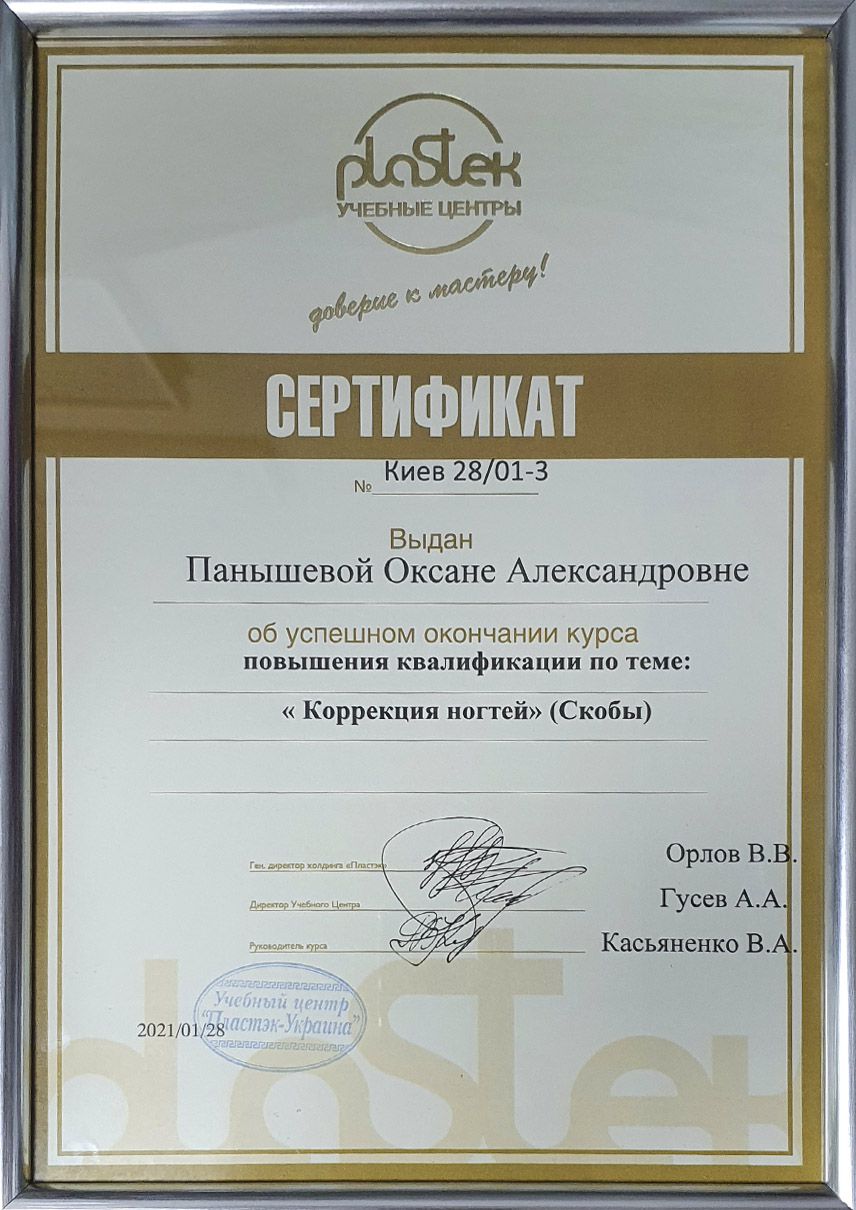
Our Certificates: ✔ Ingrown Toenail Correction Certificate
Nail brace correction certificate Nail treatment training Titanium thread installation for preventing recurrent ingrowth Foot treatment certification Podiatry problem-solving certification Hygiene and safety compliance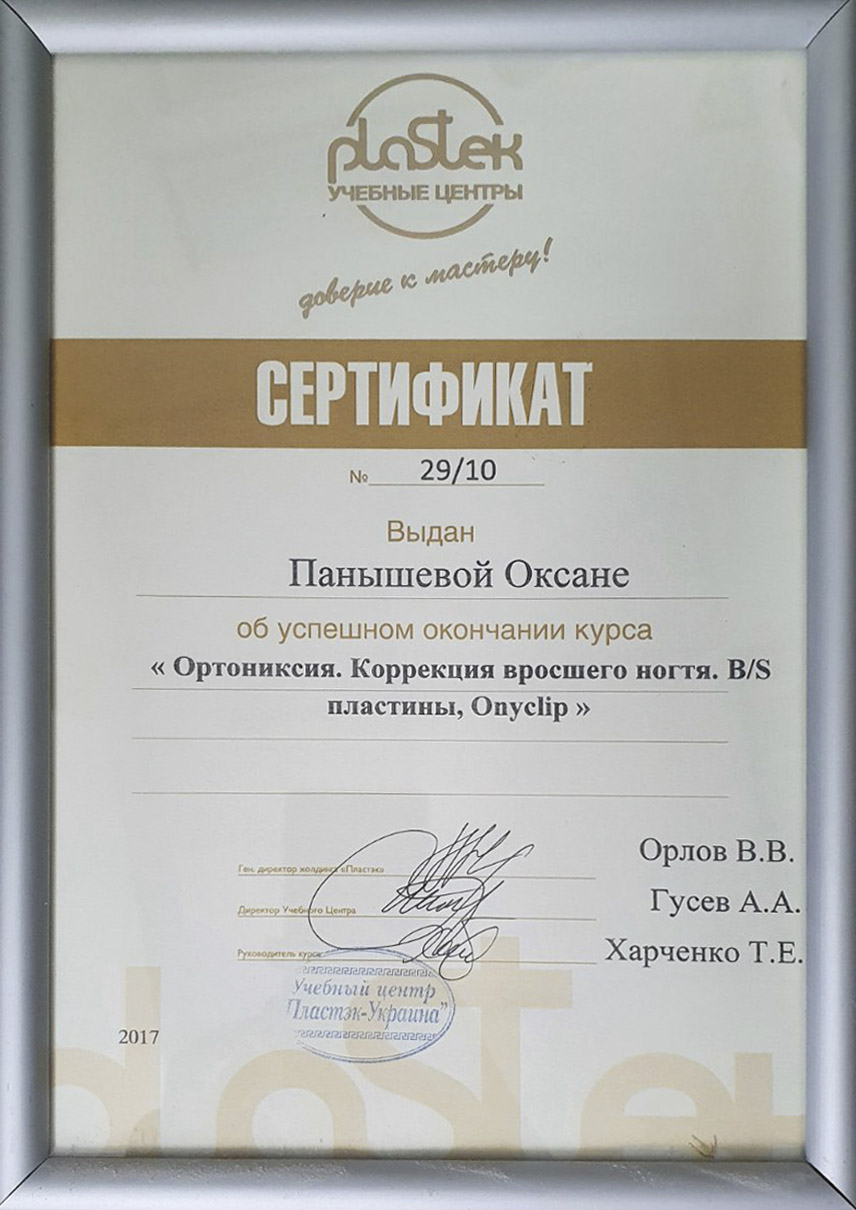
After the procedure, the specialist provides recommendations on further nail care, proper trimming techniques, and suitable footwear selection. This comprehensive approach helps restore nail health, reduce the risk of recurrent ingrowth, and restore comfort while walking. Early consultation with a specialist helps avoid complications and maintain long-term foot health. You can also receive a podiatrist consultation and book a hardware pedicure at our salon — Botanica Beauty .

Premium hand, foot, and beauty care in Kyiv